
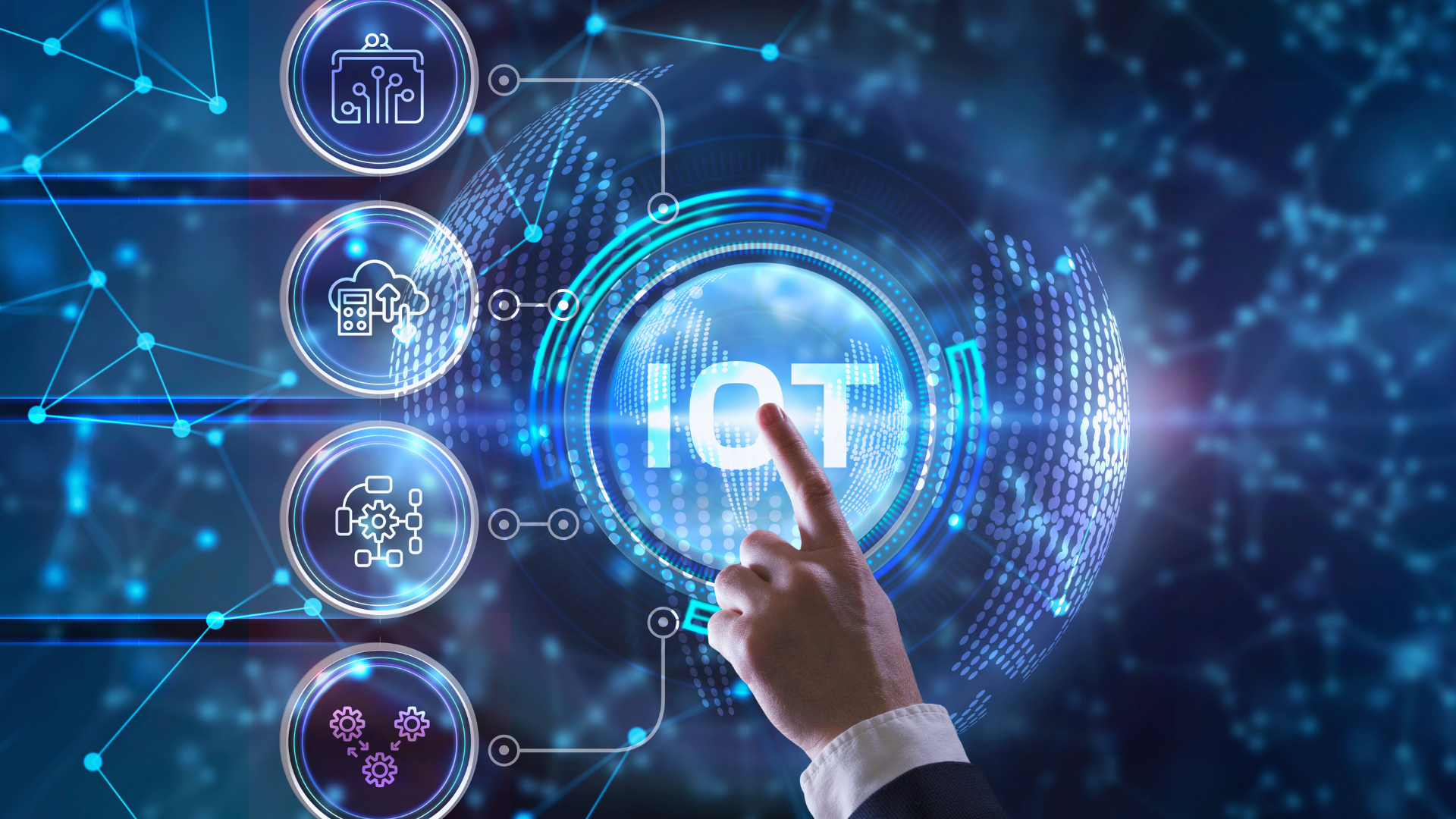
The integration of smart devices in the workplace is transforming traditional office settings into hubs of efficiency and productivity. These technologies streamline tasks, enhance communication, and optimize office space, allowing employees to focus on what truly matters. From smart lighting systems that adjust based on occupancy to AI-driven scheduling tools that eliminate meeting conflicts, smart devices are reshaping how work gets done.
As organizations strive to improve their operational processes, the role of smart devices becomes increasingly significant. They not only reduce wasted time but also help in maximizing energy use, creating a more sustainable work environment. By leveraging these tools, businesses can foster a culture of innovation and adaptability.
Adopting smart devices is more than just a trend; it is a strategic move towards enhancing workplace efficiency. Companies that embrace this technology can expect to see measurable improvements in both employee satisfaction and overall performance.
Core Smart Devices Powering Modern Office Efficiency
Smart devices play a crucial role in enhancing office efficiency by leveraging technologies like IoT, AI, and automation. These tools streamline workflows, improve communication, and create a flexible work environment. Each category of devices addresses specific needs in modern workplaces.
Internet of Things (IoT) and Sensors
IoT devices and sensors are instrumental in monitoring and optimizing office environments. They provide real-time data on factors such as temperature, lighting, and occupancy. Businesses use this information to adjust conditions and improve comfort and productivity.
Examples include smart thermostats that learn user preferences and smart lighting systems that adapt based on the time of day. Sensors can also track equipment usage, helping companies identify areas for maintenance or upgrade. Smart IoT solutions reduce energy consumption, leading to cost savings.
Artificial Intelligence and Machine Learning Applications
AI and machine learning bring advanced analytics and decision-making capabilities to the workplace. These technologies analyze large data sets to identify patterns, enhancing operational efficiency. For instance, AI-driven tools can predict project timelines based on past performance.
Virtual assistants, powered by AI, help in scheduling meetings and managing emails, freeing employees to focus on core tasks. Machine learning algorithms can also improve customer service by personalizing responses and predicting client needs, ultimately boosting satisfaction.
Automation Technologies
Automation technologies streamline repetitive tasks, allowing employees to focus on more strategic initiatives. Workflow automation tools can manage processes like invoice approvals or employee onboarding without human intervention.
Robotic Process Automation (RPA) simplifies data entry and retrieval tasks across various systems. By automating mundane processes, businesses increase their operational efficiency and reduce error rates. This leads to faster project completion times and improved overall productivity.
Smartphones and Connected Devices
Smartphones and connected devices enhance communication and collaboration among team members. They enable remote access to files and company resources, allowing employees to work effectively from anywhere.
Mobile applications foster real-time communication, making it easier to coordinate tasks and share information. Cloud-based solutions accessed through smartphones promote flexibility and quick decision-making, essential in today’s fast-paced business environments. This connectivity leads to improved teamwork and time management.
Key Applications of Smart Devices in the Workplace
Smart devices play a vital role in enhancing office efficiency by streamlining processes and improving overall workplace experiences. Key applications include smart lighting, climate control, security features, and communication tools that foster collaboration and productivity.
Smart Lighting and Climate Control
Smart lighting systems use sensors and automation to adjust brightness based on occupancy and natural light. This flexibility not only enhances comfort but also reduces energy consumption significantly.
Benefits:
- Energy Efficiency: Automated adjustments lead to lower energy bills.
- User Control: Employees can personalize settings for optimal work conditions.
Climate control technologies, integrated with HVAC systems, monitor temperature and humidity. Smart thermostats optimize energy usage, helping to maintain a conducive working environment.
Integration:
- Occupancy Sensors: Automatically adjust HVAC settings based on room occupancy.
- Remote Management: Facility managers can control systems via apps for better optimization.
Space Utilization and Occupancy Management
Smart office technology enables efficient space utilization through occupancy management. By employing occupancy sensors, workplaces can track real-time space usage, ensuring resources are allocated effectively.
Applications:
- Data Analysis: Analyzing space usage helps in making informed decisions for layout optimization.
- Flexibility: Organizations can adjust office layouts based on real-time data, promoting collaboration.
Smart office analytics can inform businesses about peak times for space usage. This information can drive decisions regarding desk arrangements and conference room allocations.
Smart Security and Access Control
Security is paramount in any workplace. Smart locks, facial recognition, and biometrics enhance safety significantly by ensuring that only authorized personnel gain access.
Features:
- Smart Locks: Provide keyless entry options, reducing the need for physical keys.
- Multi-Factor Authentication (MFA): Adds layers of security through biometric scans or temporary codes.
Incorporating VPNs increases data privacy during remote access. This ensures that sensitive company information remains secure across the network.
Workplace Communication Tools
Effective communication tools are essential for modern workplaces. Smart office technologies facilitate seamless interactions among employees.
Key Tools:
- Collaboration Platforms: Allow teams to communicate in real-time, regardless of location.
- Integrated Systems: Combine task management, messaging, and video conferencing into one platform.
These tools enhance productivity by reducing response times and enabling quick decision-making. Data encryption protocols safeguard conversations and ensure data security during communications.
Enhancing Productivity, Collaboration, and Employee Experience
Smart devices play a crucial role in boosting productivity, fostering collaboration, and enhancing the employee experience in modern workplaces. The integration of technology streamlines communication, optimizes workspace usage, and promotes well-being among staff.
Smart Meeting Rooms and Video Conferencing
Smart meeting rooms equipped with video conferencing technology allow seamless collaboration between in-office and remote teams. Platforms like Zoom and Microsoft Teams facilitate virtual meetings, enabling participants to engage in real time regardless of location.
Digital whiteboards and presentation tools help teams brainstorm creatively. These innovations support ideas being captured visually, enhancing understanding and retention. Furthermore, smart devices streamline scheduling, allowing participants to join video calls without technical issues.
The use of AI-driven systems can automate meeting notes and actions, ensuring that all contributors stay aligned on project goals. This enhances collaboration and fosters a culture of collective responsibility.
Desk and Meeting Room Booking Systems
Desk and meeting room booking systems simplify workspace management, particularly in hybrid work models. Employees can reserve desks or meeting spaces through intuitive applications, maximizing workspace efficiency.
By using smart scheduling tools, organizations can minimize conflicts and improve occupancy rates. This proactive management aids in reducing wasted resources, allowing employees to focus on their tasks.
Integration with mobile calendars and notifications ensures that employees have real-time updates on their reservations. Such systems foster a sense of organization and help maintain work-life balance for employees.
Smart Furniture and Employee Well-Being
Smart furniture, such as adjustable desks and chairs, significantly contributes to employee well-being. Features like wireless charging ports and ergonomic design promote comfort, enabling employees to work effectively throughout the day.
Investing in employee well-being enhances overall productivity. For instance, smart desks can track sitting and standing time, encouraging healthier work habits.
Utilizing voice commands through virtual assistants like Alexa for Business or Google Assistant adds convenience. Employees can adjust their workspaces using simple commands, thus enhancing their experience at work.
AI-Driven Analytics for Office Productivity
AI-driven analytics tools provide valuable insights into office productivity. These tools analyze data from various sources to identify trends and areas for improvement.
Predictive analytics can forecast potential issues related to resource allocation or employee performance. This data enables management to make informed decisions that positively impact team collaboration and productivity.
Using data analysis in real-time aids in identifying underutilized resources or inefficiencies. Consequently, organizations can optimize their operations for better employee and workspace performance, driving overall business success.
Sustainability, Optimization, and Future Trends
Smart devices play a crucial role in enhancing sustainability, optimizing office spaces, and addressing data protection concerns in modern workplaces. These advancements promote energy efficiency and informed facility management, ultimately leading to reduced operational costs and a better work environment.
Energy Management and Sustainability Initiatives
Smart devices help companies achieve energy efficiency by monitoring and managing power usage in real-time. For instance, smart thermostats adjust heating and cooling based on occupancy, significantly lowering energy consumption.
These initiatives contribute to sustainability goals by reducing carbon emissions. Companies leveraging IoT devices for energy management report decreased utility costs while promoting environmentally friendly practices. By analyzing energy data, facility managers can implement strategies that minimize waste and further enhance sustainability efforts.
Space Optimization and Facility Management
Optimizing office space is essential for efficient facility management. Smart devices track foot traffic and employee utilization, analyzing which areas of the office are most frequently used. This data allows facility managers to reorganize or repurpose spaces more effectively.
Flexible workstations and hot-desking options tailored to data insights can maximize office functionality. Facility managers benefit from improved space utilization, reducing unnecessary costs linked with underused areas. Digital tools that provide real-time feedback enable timely adjustments to seating arrangements and resource allocation.
Data Protection and Privacy in Smart Offices
As smart devices proliferate, data protection becomes a critical consideration. Protecting sensitive information in office environments is paramount. End-to-end encryption safeguards data transmissions within workplace networks, ensuring employee and client data remains confidential.
Facial recognition and biometric systems are examples of technologies being implemented to enhance security while streamlining access. Companies must establish strict protocols for data governance, ensuring compliance with regulations. Implementing robust security measures allows organizations to reap the benefits of smart devices without compromising privacy.
Leave a Reply