
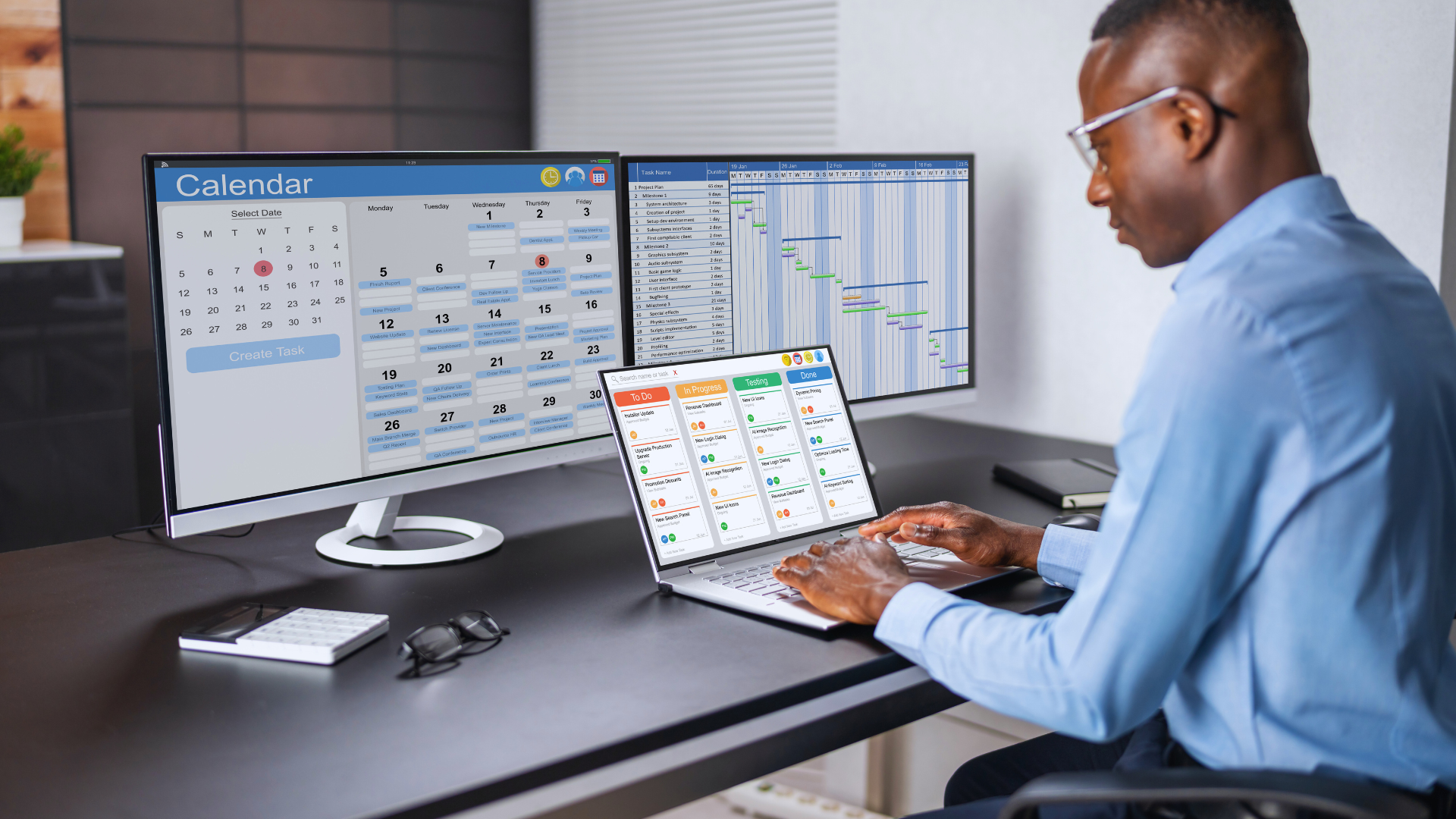
Time-tracking apps have become essential tools for modern teams seeking greater accountability. By providing clear insights into how time is allocated across various tasks, these applications help individuals recognize their productivity patterns. Implementing such tools can significantly increase team accountability by making each member’s contributions transparent and fostering a culture of responsibility.
The use of time-tracking software encourages open communication about workload and deadlines. When team members can see how their time is spent, it becomes easier to identify areas for improvement and to support each other in achieving goals. This transparency not only enhances personal accountability but also strengthens the overall team dynamic.
Moreover, these apps facilitate data-driven discussions, making it simpler to address performance issues without placing blame. As teams engage with the data, they are more likely to stay aligned with project objectives and timelines. Embracing time tracking ultimately leads to a more focused and accountable work environment.
Key Ways Time-Tracking Apps Boost Team Accountability
Time-tracking apps serve as powerful tools for enhancing team accountability. By promoting transparency, facilitating accurate timesheets, improving project visibility, and reducing inefficiencies, these applications are integral to team dynamics and productivity.
Enhancing Transparency Across Teams
Transparency is crucial for accountability. Time-tracking apps provide real-time data that allows team members to see how time is spent on various tasks. This visibility creates a culture of openness, where activities are documented and accessible.
With detailed logs, teams can easily identify who is working on what. This clarity helps reduce misunderstandings and ensure everyone is aligned towards common goals. Moreover, it fosters trust, as team members can see each other’s contributions and effort levels.
Facilitating Accurate Timesheets
Time-tracking apps automate the process of recording work hours, minimizing the potential for errors. Accurate timesheets are essential for billing clients and payroll processes. These applications allow team members to log hours consistently and correctly.
By using features like reminders and easy input methods, teams can maintain precise records. This accuracy supports accountability, as team members can verify their work against the reported hours. Such clarity enables better project management and resource allocation.
Improving Project Visibility and Reporting
Project visibility is essential for tracking progress. Time-tracking apps offer insights into how much time is allocated to specific tasks and projects. Detailed reporting features allow teams to evaluate performance and make informed decisions.
Dashboards can present key metrics, such as time spent versus estimated time. This data enables proactive project management. Teams can identify bottlenecks early and implement solutions, enhancing the overall efficiency of the workflow.
Reducing Time Drains and Increasing Efficiency
Identifying time drains is critical for improving productivity. Time-tracking apps help spot tasks or activities that consume excessive time without yielding substantial results. This awareness allows teams to refocus efforts on higher-impact activities.
Additionally, by analyzing time logs, teams can optimize their workflows. They can implement strategies to enhance efficiency, such as allocating resources effectively or adjusting schedules. These improvements ultimately lead to heightened accountability, as team members understand the value of their time and contributions.
Collaborative Benefits of Using Time-Tracking Tools
Time-tracking tools offer significant advantages for team collaboration, especially in remote work environments and project management. They foster better communication among team members and enhance productivity through transparency and accountability.
Streamlining Team Collaboration
Time-tracking tools enable teams to establish clearer communication channels. By monitoring how long tasks take, team members can coordinate their schedules around these insights. This feature helps identify potential bottlenecks early, allowing teams to adjust workloads accordingly.
Additionally, shared visibility into time allocations can encourage team members to discuss their progress. Tools like Asana or ClickUp provide dashboards where tasks are assigned, tracked, and prioritized. This visibility ensures everyone is aligned on priorities and deadlines.
Optimizing Remote Work and Distributed Teams
For remote teams, time-tracking applications bridge the gap created by geographical distances. They allow team members to log hours spent on various projects, ensuring consistent contributions regardless of location.
A comprehensive time-tracking tool can integrate with communication platforms, making it easy to share updates. This improves accountability as team members can see who is working on what in real-time. Whether using tools like Jira or Trello, real-time data fosters trust and collaboration.
Integrating With Project Management Platforms
Effective integration of time-tracking tools with project management platforms streamlines workflows. When time data syncs with task management systems, it provides accurate insights for project planning.
For example, integrating time-tracking with Asana allows project managers to see how specific tasks align with time budgets. This feature aids in efficient resource allocation and timeline adjustments. Accurate tracking helps small businesses allocate staff effectively, ensuring project milestones are met without overloading team members.
Impact on Productivity and Performance
Time-tracking apps significantly influence productivity and performance within teams. Effective utilization helps in identifying bottlenecks, optimizing workflows, and fostering accountability, ultimately leading to enhanced team efficiency.
Tracking and Boosting Productivity
Automatic time tracking is integral for understanding where time is spent. When team members record their hours accurately, it becomes evident which tasks consume the most resources. This transparency allows managers to pinpoint areas for potential enhancement.
By analyzing time logs, teams can identify unproductive patterns. For instance, if certain tasks consistently take longer than expected, adjustments can be made to streamline processes. Furthermore, organizations can leverage these insights to distribute workloads efficiently, ensuring that resources are allocated where they yield the best results.
Improving Team Performance Metrics
Measurable performance metrics are vital for assessing team effectiveness. Time-tracking apps provide real-time data that can showcase individual contributions and overall team output. Metrics such as hours worked per project and task completion rates can help evaluate the success of teams.
By utilizing these metrics, managers can make informed decisions about training and development needs. They can also recognize high performers and address any issues affecting team dynamics. When teams see their performance metrics, they often feel motivated to improve, leading to a solid commitment to achieving organizational goals.
Setting Goals and Prioritizing Tasks
Goal setting is essential for guiding team efforts. Time-tracking tools facilitate the establishment of specific, measurable objectives, enabling teams to focus on what truly matters. With clear goals, teams can prioritize tasks effectively, ensuring that critical deadlines are met.
Additionally, task prioritization becomes easier when teams can visualize their workloads. Tools like TimeCamp can help categorize tasks based on urgency and importance. By aligning goals with performance tracking, teams can enhance their productivity and ensure that resources are used wisely.
Time-Tracking Apps for Billing and Financial Accuracy
Time-tracking apps significantly enhance billing accuracy and financial management for teams and freelancers. By recording work hours precisely, these tools help ensure that invoices reflect actual labor and project costs.
Facilitating Accurate Billing and Invoicing
Accurate billing is crucial for maintaining client trust. Time-tracking apps streamline the invoicing process by automatically logging hours worked on specific projects.
For instance, tools like Hubstaff and Toggl allow users to categorize time entries by client or project. This enables clear visibility into billable hours, ensuring clients are only charged for the time invested.
In turn, clear invoicing reduces disputes over billing. Having precise records helps businesses present detailed, itemized invoices, enhancing transparency and professionalism.
Empowering Freelancers and Service-Based Teams
Freelancers benefit immensely from time-tracking apps. These applications allow individuals to track hours on multiple client projects easily.
When billing clients, freelancers can refer to tracked time records to justify their invoices. This approach builds credibility and helps establish long-term client relationships.
Moreover, features like GPS tracking enable freelancers to log hours based on location. This is particularly useful for those who provide services on-site, making it easier to invoice clients accurately based on where work was performed.
Managing Project Budgets With Confidence
Time-tracking apps aid in budget management by providing insights into time allocation across various projects. By tracking how many hours are spent on tasks, teams can see whether they’re staying within budget.
Using tools like Hubstaff and Toggl, project managers can analyze time data to identify inefficiencies. Such insights allow for a more accurate assessment of remaining budget and resources available.
Additionally, these apps often feature reporting tools, enabling teams to forecast future project costs more effectively. This proactive approach supports better financial decisions and overall project success.
Leave a Reply