
Social media has transformed the landscape of modern relationships in profound ways. It fosters constant connectivity, allowing individuals to maintain and develop relationships across distances while also posing challenges that can strain them. This digital age has redefined how people communicate, share experiences, and express emotions, impacting both personal and romantic connections.
The influence of platforms like Instagram, Facebook, and Twitter extends beyond surface interactions. They shape perceptions, from how relationships are portrayed to the expectations individuals have of one another. This new form of communication often prioritizes quick exchanges over deep conversations, which can lead to misunderstandings or superficial bonds.
As social media continues to evolve, its role in human connection becomes increasingly complex. The myriad ways in which it shapes interactions provide valuable insights into contemporary relationships, offering both opportunities for deeper engagement and risks of disconnection.
Evolution of Communication in Relationships
The method of communication in relationships has shifted significantly with technological advancements. Understanding this evolution includes exploring the transition from face-to-face interactions to digital mediums, the impact of messaging applications, and the need for balance between online and real-life connections.
From Face-to-Face to Digital Conversations
Traditionally, relationships depended on face-to-face communication, fostering deeper connections through verbal and non-verbal cues. Eye contact, body language, and physical presence played crucial roles in building trust and intimacy.
With the rise of digital communication, individuals now rely on platforms that facilitate conversations without physical proximity. Video calls, social media, and instant messaging have transformed how people express feelings and resolve conflicts. While these tools increase accessibility, they can also dilute emotional richness.
The Role of Messaging Apps and Texting
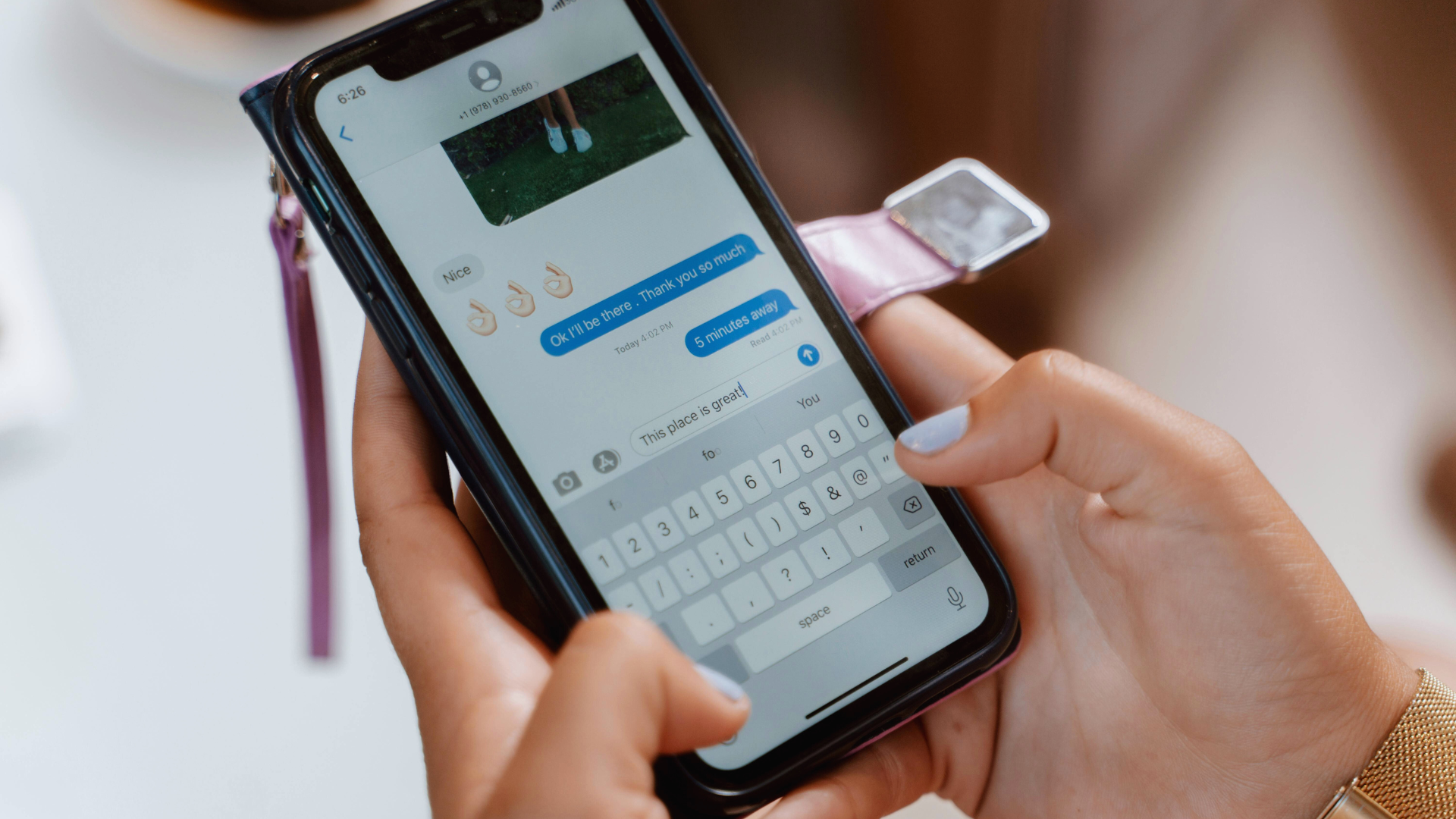
Messaging apps and texting have become primary channels for communication in modern relationships. They offer convenience and immediacy, allowing for spontaneous exchanges and quick check-ins that enhance daily connection.
However, reliance on text can lead to misunderstandings due to the absence of tone and context. Emojis and stickers help convey emotions, but they may not fully replace the nuances of spoken language. This shift raises questions about the depth of communication in relationships relying heavily on digital messages.
Balancing Digital and Real-Life Connection
Maintaining a balance between digital communication and real-life interactions is essential for relationship health. While technology enables constant contact, it can also lead to distractions.
Couples may find themselves physically together yet emotionally distant, engaged with their devices instead of each other. Establishing boundaries, such as tech-free time, can enhance personal connections and ensure that relationships remain fulfilling. Striving for a mix of both interaction styles fosters resilience and emotional closeness in relationships.
Building and Sustaining Connections
Social media plays a crucial role in forming and maintaining relationships by fostering trust and facilitating emotional connections. It can enhance intimacy while also raising important questions about privacy and boundaries.
Trust and Emotional Bonds in Digital Interactions
In digital interactions, trust is essential for building strong emotional bonds. When individuals share personal experiences or vulnerabilities online, it can deepen their connections. Trust issues may arise from miscommunication, misunderstandings, or perceived insincerity in online interactions.
Effective communication is key to overcoming these challenges. Engaging in open dialogues, where each person feels heard, can bolster trust. Regularly checking in and expressing support reinforces the emotional connection, contributing to greater relationship satisfaction.
Maintaining Intimacy and Quality Time Online
Digital intimacy requires intentional effort to maintain closeness despite physical distances. Video calls, shared playlists, and collaborative activities, such as online games or streaming shows together, can create memorable experiences.
Setting aside specific time for virtual interactions helps ensure both partners prioritize their connection. Small gestures, like sending thoughtful messages or surprise items, can enhance the feeling of being present in each other’s lives, supporting emotional closeness.
Healthy Boundaries and Privacy Concerns
Establishing healthy boundaries is crucial in any relationship, especially in the digital space. Partners should discuss their comfort levels regarding sharing personal information online. This conversation prevents misunderstandings and supports a sense of safety.
Privacy concerns often arise in social media contexts. Individuals must assess their privacy settings and be aware of what they share publicly. Maintaining discretion not only safeguards personal information but also promotes trust, ensuring both partners feel secure in their connection.
Challenges and Potential Risks of Social Media
Social media significantly influences modern relationships by introducing various challenges. The dynamics of online interactions can create specific emotional hurdles and risks that individuals must navigate.
Jealousy, Comparison, and Feelings of Inadequacy
Social media platforms often showcase curated images of people’s lives, leading to unrealistic expectations. Users may experience jealousy and perceive others as living perfect lives. This constant comparison can result in feelings of inadequacy and low self-esteem.
Individuals may become obsessed with likes and comments, measuring their worth through online validation. Exposure to idealized relationships can strain genuine connections, as partners may feel pressured to compete for attention or affection. This environment fosters an unhealthy cycle of jealousy, where individuals doubt their relationships and question their partner’s loyalty.
Infidelity and Emotional Infidelity Online
The digital landscape also raises concerns about infidelity, particularly emotional infidelity. Social media allows for easy communication with past partners or new acquaintances, creating a platform for secretive interactions.
These interactions can lead to emotional attachments that undermine primary relationships. Individuals may find themselves confiding in someone online, which can erode trust and intimacy with their partner. This blurred boundary between friendship and romance can complicate relationships, as one partner may feel betrayed without physical infidelity occurring.
Mental Health Impacts: Depression and Anxiety
The influence of social media extends to mental health, particularly affecting individuals’ levels of depression and anxiety. Continuous exposure to others’ seemingly happy lives can trigger feelings of loneliness and isolation.
Frequent engagement with social media may lead to increased anxiety, especially related to real-time updates and the pressure to stay connected. Individuals may struggle with miscommunication, misinterpretation of messages, or the fear of missing out (FOMO). This anxiety can further exacerbate mental health issues, as users become trapped in a cycle of comparison and self-doubt.
Navigating Modern Relationship Dynamics
Modern relationships are increasingly influenced by technology, particularly through social media and dating apps. These tools bring both challenges and opportunities to forming connections in various relationship contexts.
The Influence of Dating Apps
Dating apps like Tinder, Bumble, and Hinge have transformed how individuals meet and engage. Users can swipe, match, and chat with potential partners at their convenience, creating a vast landscape for romantic possibilities.
While these platforms facilitate connections, they may also lead to superficial interactions, making it harder to form meaningful bonds. Individuals often feel overwhelmed by choices, which can contribute to decision fatigue. For some, this swiping culture leads to a cycle of short-term engagements rather than long-term relationships.
Friendships and Social Circles in the Digital World
Friendships are increasingly formed within digital environments, where platforms foster connections that transcend geographical boundaries. Online communities can offer a sense of belonging, especially for those who may feel isolated in their immediate surroundings.
However, digital friendships may lack the depth that comes with real-life interactions. As face-to-face meetings become less frequent, maintaining these relationships requires intentionality. People navigate this blend of online and offline connections, balancing their digital presence with the desire for authentic experiences.
Adapting to New Social Norms and Expectations
The rise of social media introduces new social norms and expectations regarding communication and relationship management. Quick replies and constant online presence have become standard, leading to misunderstandings and pressures in romantic and platonic relationships.
Social media often dictates how individuals perceive romantic success and friendship dynamics. In navigating these expectations, people must find a balance between their online persona and their authentic selves. Understanding the nuances of digital relationships can support healthier interactions and enrich modern connections.
Leave a Reply