
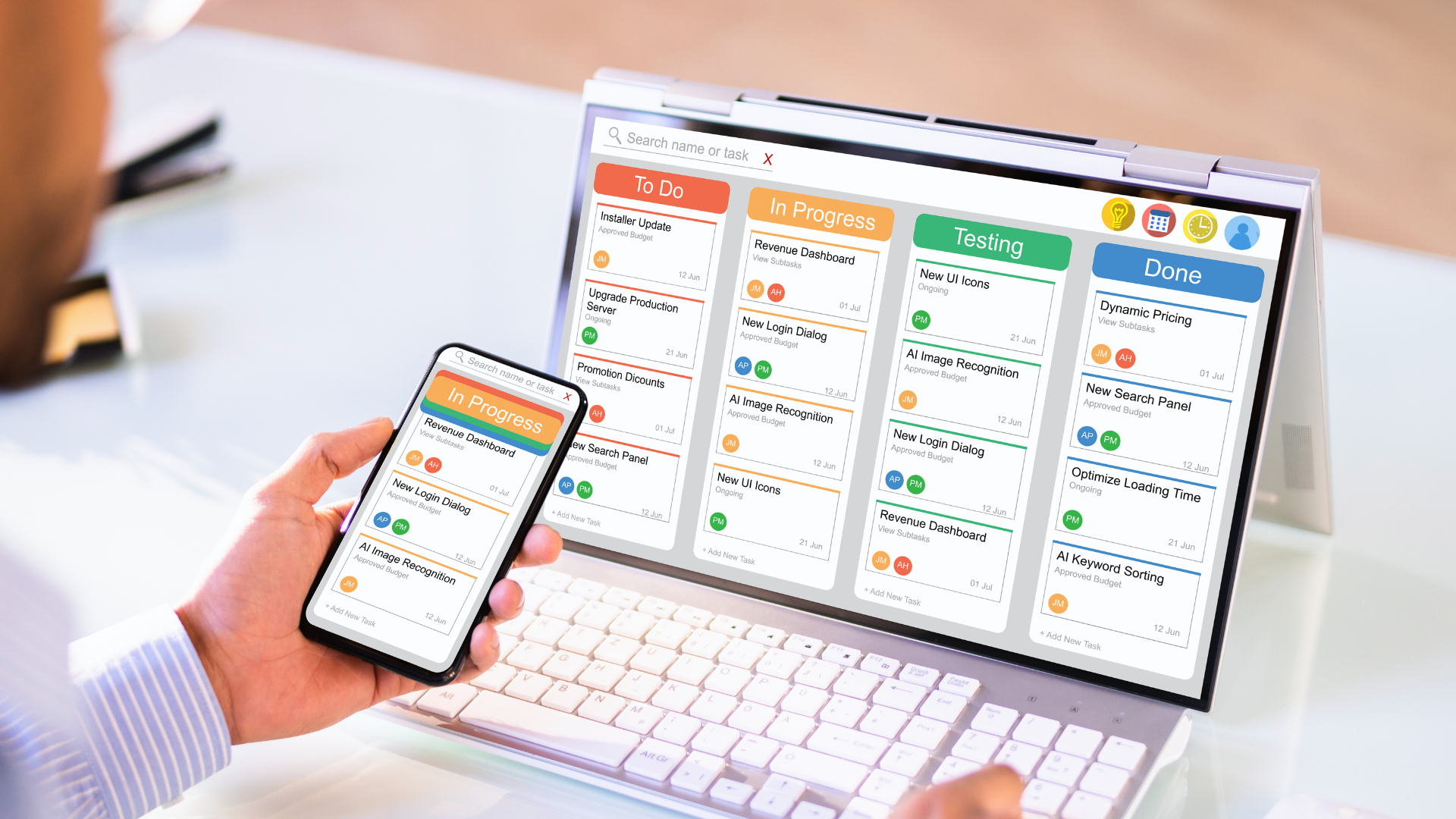
Artificial Intelligence has revolutionized project management by enhancing the ability to predict project outcomes. Using AI for predictive analytics allows project managers to make informed decisions based on data-driven insights, reducing risks and improving success rates. This advancement not only streamlines processes but also allocates resources more efficiently.
As organizations face increasing complexity and tighter deadlines, leveraging AI becomes essential. By analyzing past project data and current performance metrics, AI systems can forecast potential challenges and opportunities. This proactive approach enables teams to adapt quickly, ensuring projects remain on track.
The integration of AI in project management not only optimizes planning and execution but also fosters a culture of continuous improvement. With these tools at their disposal, teams can focus more on strategic tasks while minimizing the uncertainties associated with project delivery.
Enhancing Project Planning with AI
AI significantly improves project planning by streamlining risk assessment and optimizing resource allocation. Utilizing AI tools provides insights that enhance decision-making and project efficiency.
Risk Assessment and Management
AI tools play a pivotal role in risk assessment by analyzing historical project data and identifying patterns. Machine learning algorithms can predict potential risks, allowing project managers to anticipate challenges before they arise.
For instance, AI can analyze factors such as timeline delays, budget overruns, and team performance. By integrating these insights, teams can develop proactive strategies to mitigate risks.
AI-driven simulations allow for “what-if” scenarios, helping teams understand how different variables might impact project outcomes. This data-driven approach minimizes uncertainty and enables more informed decision-making throughout the project lifecycle.
Resource Allocation and Cost Estimation
Optimizing resource allocation is crucial for project success. AI can evaluate resource availability and skill sets to ensure that the right personnel are assigned to the right tasks.
Using AI tools, project managers can create accurate forecasts for cost estimation. By analyzing data from previous projects, AI can refine budget predictions, reducing the chances of financial discrepancies.
Furthermore, AI can automate the reallocation of resources in response to changing project demands or unforeseen challenges. This flexibility ensures that projects remain on track and within budget, even as circumstances evolve.
AI-Driven Project Execution and Monitoring
AI significantly enhances project execution and monitoring by providing real-time data analysis and improving team collaboration. The technology not only optimizes project timelines but also facilitates adaptive management approaches tailored to changing circumstances.
Improving Team Performance and Collaboration
AI tools streamline communication among team members. They can integrate various platforms, allowing for seamless sharing of information and updates. This boosts responsiveness and allows teams to address challenges immediately.
By utilizing AI-driven analytics, project managers can assess individual contributions and identify areas needing improvement. Such insights help in allocating tasks more efficiently, ensuring that each member’s strengths are leveraged.
Additionally, these tools can foster a collaborative culture by promoting transparency. Teams can track project milestones and performance metrics collectively, enhancing accountability. Overall, AI supports an environment where collaboration thrives.
Real-Time Insights and Adaptive Management
Real-time monitoring facilitated by AI allows project managers to obtain immediate feedback on project progress. This insight helps in detecting potential roadblocks early, which reduces delays in project execution.
AI-driven dashboards can visualize key performance indicators (KPIs) effectively. These tools present data in accessible formats, making trends easy to identify. This aids in making informed decisions quickly.
Adaptive project management becomes possible when data analysis guides alterations in strategies. AI enables dynamic resource allocation based on current needs, optimizing project timelines. Thus, teams can remain agile and responsive, which is crucial in today’s fast-paced environment.
Communication and Decision-Making Enhancements
AI significantly improves communication and decision-making processes in project management. By utilizing advanced technologies, teams can enhance collaboration and make informed choices backed by data.
Leveraging AI for Effective Communication
Natural Language Processing (NLP) plays a crucial role in streamlining communication among team members and stakeholders. AI tools can analyze messages, ensuring clarity and relevance. By automating responses to common queries, teams can focus on complex issues that require strategic thinking.
AI-driven sentiment analysis provides insights into team morale and stakeholder attitudes. This enables project managers to address concerns promptly and adjust communication strategies as needed. Effective communication enhances collaboration, ensuring that all team members are aligned toward project goals.
Data-Driven Decision-Making and Strategic Insights
Integrating AI into project management fosters data-driven decision-making. AI algorithms can analyze past project data, leading to more accurate predictions of future outcomes. This information allows teams to identify potential risks and opportunities.
Data-driven insights enable stakeholders to make informed choices based on trends and patterns. By understanding these insights, project managers can enhance their strategic thinking. Utilizing AI, teams can assess various scenarios and outcomes, facilitating more effective stakeholder management throughout the project lifecycle.
The Impact of AI on Project Management Tools
AI significantly enhances project management tools by improving decision-making processes and integrating advanced analytics. This integration allows for better resource allocation and streamlined project workflows.
Integration with Existing Project Management Software
Many AI-driven tools are now compatible with established project management software, such as Asana, Trello, and Microsoft Project. This compatibility helps teams leverage existing resources while enhancing functionalities with AI capabilities.
For instance, Wrike and Monday.com incorporate AI to analyze project patterns and predict outcomes. These insights enable managers to adjust timelines and resources effectively. This seamless integration promotes collaboration and efficiency, as team members can access valuable data directly within familiar interfaces.
Future Trends and Innovations in AI
The future of project management tools will likely see advanced AI technology enhancing automation and decision support. AI-powered project management tools will increasingly utilize machine learning to adapt to new project datasets and improve predictions.
Innovations may include enhanced document management and real-time collaboration features. As AI evolves, tools may offer more refined analytics, allowing teams to assess risks and opportunities with greater precision. The trend is moving towards more intuitive interfaces that anticipate user needs, further streamlining project execution.
Leave a Reply