
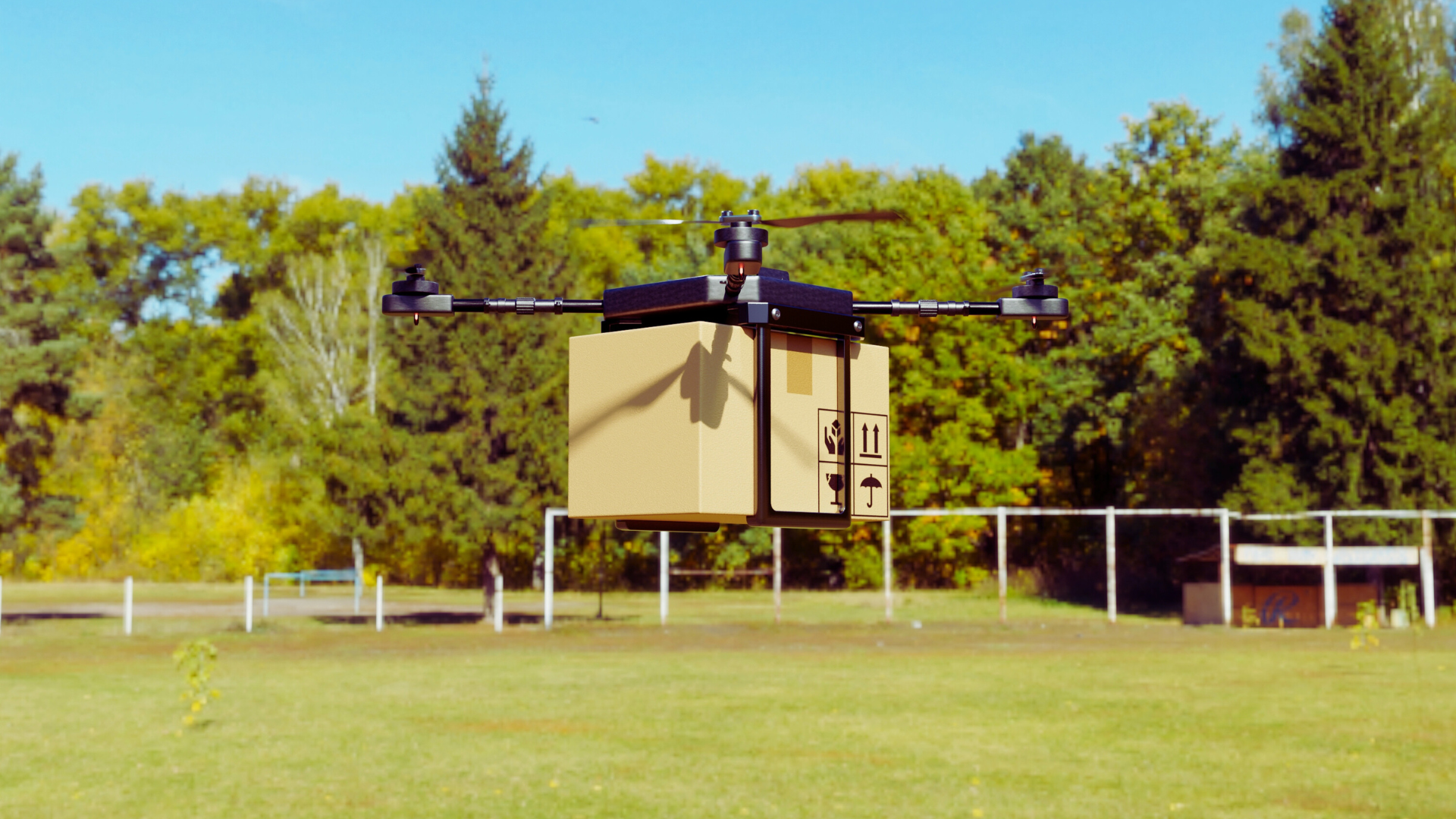
Autonomous drones have the potential to transform various industries, from logistics to agriculture. As technology advances, the future of autonomous drones promises increased efficiency, reduced costs, and enhanced safety for operations in complex environments. Unmanned Aerial Vehicles (UAVs) are becoming more capable, enabling them to perform tasks with minimal human intervention and navigate challenging terrains.
With ongoing developments in drone autonomy, these flying technologies are set to revolutionize how goods are delivered and how data is collected. They can operate in swarms, allowing for large-scale agricultural assessments or disaster response efforts. The integration of artificial intelligence and advanced sensors further extends their capabilities, making autonomous drones not just a futuristic concept but a present reality that is continuously evolving.
As industries explore the possibilities of UAVs, from surveillance to environmental monitoring, the implications are vast. Understanding the trajectory of this technology is essential for businesses and individuals alike, as it shapes the landscape of future operations across multiple sectors. The implications of autonomous drones are profound, making it crucial to stay informed about their development and deployment.
Evolution of Drone Technology
The progress in drone technology has been transformative, driven by advancements in artificial intelligence, enhanced battery life, and innovative design in aerodynamics. These developments have greatly expanded the capabilities of drones across various industries.
Advancements in Artificial Intelligence
Artificial intelligence (AI) plays a pivotal role in the evolution of drones. Enhanced AI algorithms enable drones to navigate complex environments autonomously. Machine learning allows for real-time data analysis, improving decision-making processes during flight missions.
AI-driven drones can now perform tasks such as obstacle detection and avoidance, optimizing flight paths for efficiency. Advanced sensors combined with AI enhance situational awareness, leading to safer operations in crowded or hazardous areas. This level of intelligence supports applications ranging from delivery services to agricultural monitoring.
Improvements in Battery Life and Energy Storage
Battery technology has significantly progressed, directly affecting the operational capabilities of drones. Recent advancements focus on increasing energy density, allowing for longer flight times and greater payload capacities.
Solar-powered drones are emerging as a viable option, offering sustainable energy solutions that extend operational range. High-performance lithium batteries are being developed to reduce weight while maximizing energy output. These improvements not only enhance efficiency but also contribute to the broader goal of sustainable automation in the drone industry.
Innovations in Aerodynamics and Payload Capacity
Aerodynamic design innovations have substantially increased drone performance. Improved shapes reduce drag and enhance lift, enabling drones to fly faster and remain stable in various environmental conditions.
The growth in payload capacity is also notable. Enhanced materials such as carbon fiber reduce weight while maintaining strength, allowing drones to carry heavier loads. These innovations facilitate a wide range of applications, from cargo transport to surveillance missions, expanding the utility of drones in diverse sectors.
Many online resources tend to provide detailed information regarding the scope of these applications. Technology enthusiasts can visit such pages and Learn More about how different technological innovations help drones overcome challenges posed by different industries.
Autonomous Drones in Industry and Commerce
Autonomous drones are transforming various sectors, enhancing efficiency and reducing costs. Their applications in agriculture, construction, and logistics are noteworthy for their impact on productivity and data accuracy.
Agriculture and Farming Applications
In agriculture, autonomous drones are revolutionizing farming techniques. Equipped with advanced sensors and cameras, these drones assist in crop monitoring, soil analysis, and pesticide application.
Farmers utilize drones to capture images and gather data, enabling precise assessment of crop health. For instance, multispectral imaging allows for the identification of nutrient deficiencies and pest infestations. This data guides farmers in making informed decisions and improving yields.
Additionally, drones facilitate environmental monitoring by tracking changes in land conditions and water resources. Using automation in these tasks significantly reduces labor costs and increases efficiency. Drones enhance the sustainability of farming practices, paving the way for the future of food production.
Construction and Infrastructure Inspection
In construction, autonomous drones play a critical role in site inspections and monitoring progress. They can quickly survey large areas, providing real-time data to project managers.
Drones with high-resolution cameras and LiDAR technology create accurate 3D models of sites. This capability aids in detecting potential issues early, thus reducing delays and unexpected costs. They can also perform safety inspections, ensuring compliance with regulations.
Using drones for infrastructure inspection, such as bridges and roads, enhances safety by enabling detailed assessments without the need for scaffolding or personal entry. This not only saves time but also minimizes risk to personnel, contributing to improved project outcomes.
Logistics and Drone Delivery Systems
The logistics industry is increasingly adopting autonomous drones for drone delivery systems. Companies leverage drones to transport goods swiftly, particularly for last-mile delivery.
These drones can navigate urban areas efficiently, reducing traffic-related delays and improving delivery times. Their ability to carry various payloads, from packages to medical supplies, showcases their versatility.
Additionally, logistics firms use drones for inventory management in warehouses. Drones equipped with RFID scanners can conduct rapid inventory counts, enhancing accuracy. The integration of automation in these processes streamlines operations and reduces costs across the supply chain.
Challenges and Considerations for the Future
Autonomous drones face significant hurdles that must be addressed for their widespread adoption. These challenges encompass regulatory frameworks, privacy issues, and technological limitations that require careful consideration and strategic planning.
Regulatory Framework and FAA Guidelines
The Federal Aviation Administration (FAA) plays a crucial role in shaping the future of drone operations through regulations. Current FAA guidelines tend to focus on safety and airspace integration, but they often lag behind technological advancements. This gap can stifle innovation in autonomous flight.
As drone capabilities evolve, regulations must adapt to address new safety protocols and operational parameters. For instance, integrating 5G technology can enhance real-time data transmission, improving navigation and safety. Furthermore, national security considerations necessitate strict oversight to prevent misuse in surveillance or weaponization.
Privacy Concerns and Ethical Use
Privacy concerns represent a significant challenge in the deployment of autonomous drones. Drones equipped with advanced cameras and sensors can inadvertently infringe on personal privacy, leading to public backlash. The need for clear guidelines governing drone surveillance is critical to mitigate negative perceptions.
The ethical use of drones must be prioritized. Companies and government entities must establish policies that protect citizen privacy while leveraging drone technology for beneficial purposes, such as disaster response and monitoring wildlife. Balancing innovation with personal privacy rights remains a crucial undertaking for stakeholders.
Technological Limitations and Research Directions
Technological limitations impact the effectiveness and reliability of autonomous drones. Current AI and machine learning applications provide a foundation for improved decision-making and navigation, yet unpredictability in complex environments poses risks. Continued research into robust algorithms is essential for safe operations.
A shift towards integrated systems that utilize machine learning and 5G technology can create smarter drones capable of adapting to dynamic conditions. Future research must explore enhancing battery life, payload capacity, and multi-drone coordination. To achieve the full potential of autonomous drones, addressing these technological challenges is critical.
Emerging Applications and Future Outlook
Autonomous drones are gaining traction across various fields, showcasing their versatility and innovative potential. Some significant applications include filmmaking, disaster response, and environmental conservation, emphasizing the growing importance of technology in these crucial areas.
Application in Filmmaking and Photography
Drones are transforming the landscape of filmmaking and photography by providing unique aerial perspectives. With advancements in UAV technology, filmmakers can capture high-resolution images and videos from angles previously inaccessible.
Startups in this sector are leveraging drones equipped with advanced cameras and stabilization systems to enhance storytelling. The use of drones allows for dynamic shots and reduced production costs, making aerial photography more accessible. Automated flight paths ensure consistent results, even in challenging environments, opening creative avenues for professionals.
Disaster Response and Emergency Services
Autonomous drones play a crucial role in disaster response, offering rapid assessment and support during emergencies. These unmanned aerial vehicles (UAVs) can quickly survey affected areas, providing real-time data to first responders.
Utilizing swarm technology, multiple drones can work collaboratively to map disaster zones, identify survivors, and deliver supplies. Their ability to navigate hazardous environments ensures that they can operate when traditional vehicles cannot. This capability is vital for national security, allowing for timely and effective interventions in crises.
Contribution to Environmental and Wildlife Conservation
In the realm of environmental monitoring, drones are proving invaluable for wildlife conservation efforts. Equipped with sensors and cameras, they can track animal populations, monitor habitats, and detect illegal activities such as poaching or logging.
Startups are developing specialized drones that automate these missions, reducing the need for human intervention in sensitive areas. This enhances the accuracy of data collection while minimizing disturbance to wildlife. Furthermore, drones assist in reforestation efforts by mapping tree coverage and facilitating monitoring of ecosystem health.
Leave a Reply